This post may contain affiliate links & I will earn a small commission if you purchase through them.
📌 Quick Overview
• Many mineral sunscreens contain particles that fall under the EU definition of microplastics
• The U.S. only bans the larger rinse-off microbeads, not the smaller stay-on-skin microspheres
• These powders are used to make sunscreen smoother, more elegant, and less chalky
• I tested countless formulas & found two top notch mineral sunscreens free of microplastics
Are There Microplastics in Your Mineral Sunscreen?
You may have switched from chemical to mineral sunscreens because you want something with cleaner ingredients and more natural. But, what most people don’t realize is that many mineral sunscreens contain tiny synthetic polymers that fall under the EU’s definition of microplastics. So even if you think you’re choosing the cleaner option, you might still be putting microplastics on your skin daily without knowing it.
Investigating the Ingredients
I bought a popular Korean mineral sunscreen called HaruHaru Wonder Pure Mineral SPF and was researching the ingredients one day when one of them caught my attention – methyl methacrylate crosspolymer. It’s marketed as having super clean ingredients, so I didn’t expect anything concerning to be in it.
Acrylic Plastic Materials
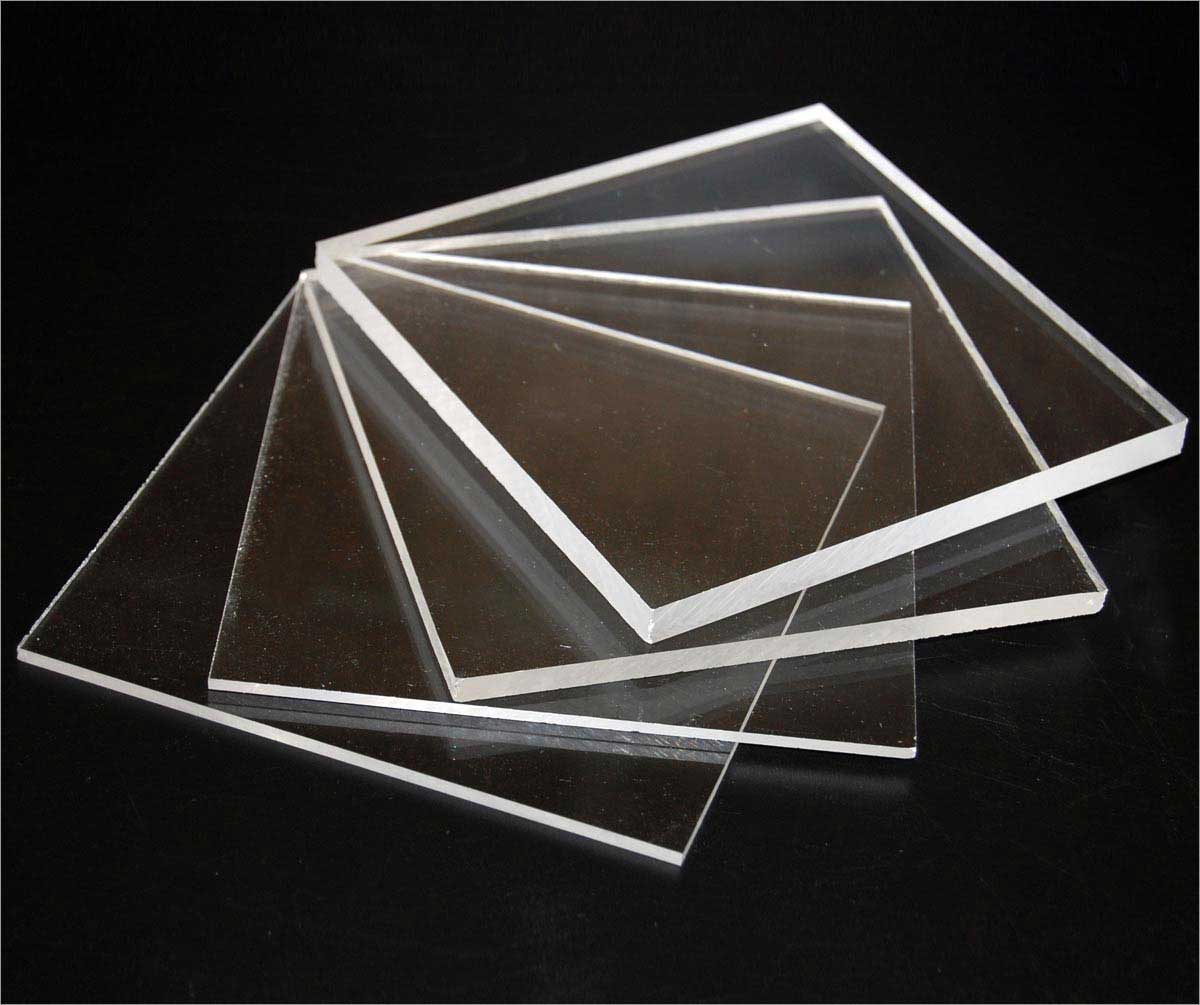
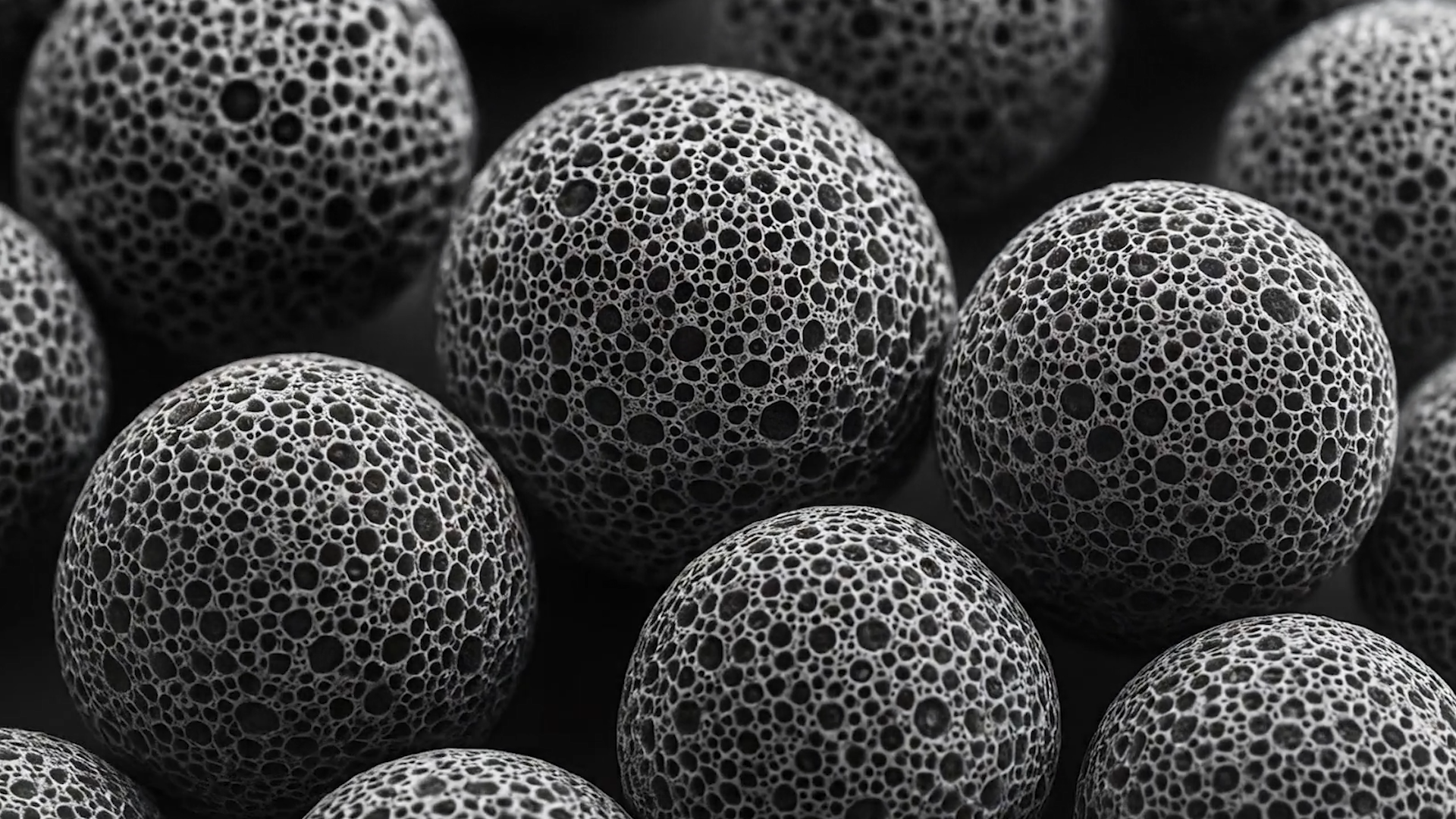
I discovered that methyl methacrylate, in its original form, is a chemical used to make acrylic “glass” (which is actually a plastic) – the same type of material used to create plexiglass sheets. In the sunscreen product I mentioned, the name was slightly different. It wasn’t methyl methacrylate, but methyl methacrylate crosspolymer. That small change means the chemical has been transformed from its original liquid form into microscopically tiny solid, porous polymer microspheres.
These particles are extremely small, around 5 to 10 microns across, or about ten times smaller than the thickness of a human hair. They’re invisible on the skin and are designed to absorb oil, scatter light, and give products that smooth finish. These methyl methacrylate crosspolymer microspheres belong to the same acrylic chemical family of materials.
Why Microplastics are Used in Sunscreen
Many mineral sunscreens use small synthetic polymers to improve the texture, reduce chalkiness, or make zinc oxide easier to spread. When you start checking different brands, you’ll notice the same types of ingredients showing up repeatedly. Mineral sunscreens are difficult to formulate, and they often come with issues like separation, oiliness, or that thick, pasty feel that people dislike. These tiny polymer particles help stabilize the formula, keep it from feeling heavy, and make it look smoother on the skin.
They’re also inexpensive and easy for companies to work with, so most brands go that route. But it is possible to make a smooth and elegant mineral sunscreen without using these ingredients, even though it takes more effort and usually costs more to do.
Ingredients to Look Out For
Some examples you might see on mineral sunscreen labels include:
• nylon-12
• polymethyl methacrylate
• polyacrylates and acrylate crosspolymers
• polyhydroxystearic acid
• various porous polymer spheres or powders
These ingredients are extremely common, even in products marketed as clean or minimal.
Microplastic Definitions
Different countries define microplastics differently. In the EU any synthetic, solid, non-biodegradable polymer smaller than 5 mm is considered a microplastic. This includes crosspolymers often used in cosmetics.
But, in the U.S., only the large plastic microbeads that used to be in exfoliating scrubs were banned. The smaller ones – the ones that can sit on your skin all day – are still allowed. This is why the exact same ingredient can be marketed completely differently depending on where the product is sold. Some companies even refer to these particles as gel systems or liquid technologies to avoid calling them microplastics. They get away with it because the particles are suspended inside a liquid formula, even though they’re still solid, porous plastic spheres.
I Tested Dozens of Mineral Sunscreens
After realizing every mineral sunscreen I owned contained microplastics, I made it my mission to find alternatives that didn’t. It’s difficult enough to find a mineral sunscreen that applies smoothly, isn’t greasy, and doesn’t leave a chalky cast. Adding “no microplastics” to the list made it even more challenging.
I went through countless ingredient lists from Korean brands, U.S. brands, and even high-end luxury lines. Almost all of them contained some form of microplastic-type polymer. The few that didn’t were either thick, chalky, left a strong white cast, or were ridiculously expensive.
I had very specific criteria, and after a lot of searching, I finally found two that checked every box (shared below).
- Affordable at under $6 per ounce
- Smooth and wearable, without a white cast
- Free of parabens and microplastics
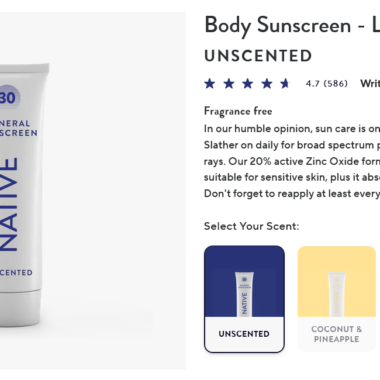
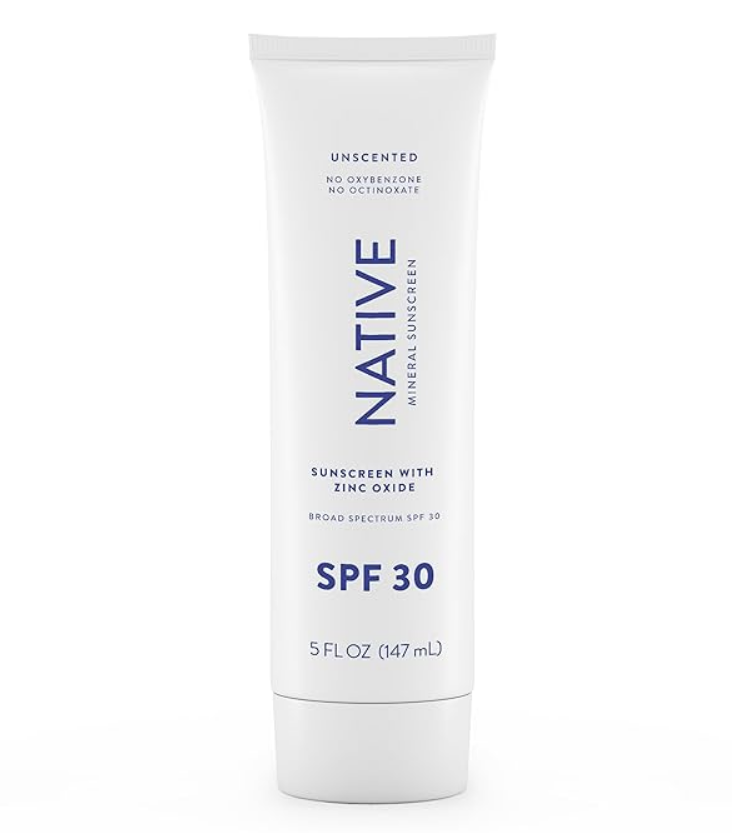
Native Unscented Mineral Sunscreen SPF 30 (20% Zinc Oxide)
This is the most well-rounded sunscreen I’ve tested in this category. It applies smoothly, doesn’t leave a white cast, and feels lightweight. It works for all skin types and comes in a generous 5-oz tube.
Price usually runs between $15 and $20, making it one of the most affordable clean formulas on the market. It’s simple, elegant, and reliable.
4-20-26 Update: Unfortunately, Native has reformulated this sunscreen. The original 20% zinc formula I recommended here is now labeled “Last Chance” on their website and is being phased out. The replacement (“Mineral Suncare”) drops the zinc to 17%, adds polyacrylamide (a synthetic polymer flagged as a microplastic by consumer advocacy groups), swaps the coconut-derived emollients for petroleum-based ones, and removes both antioxidants (vitamin E and sunflower oil). I can no longer recommend the new version.
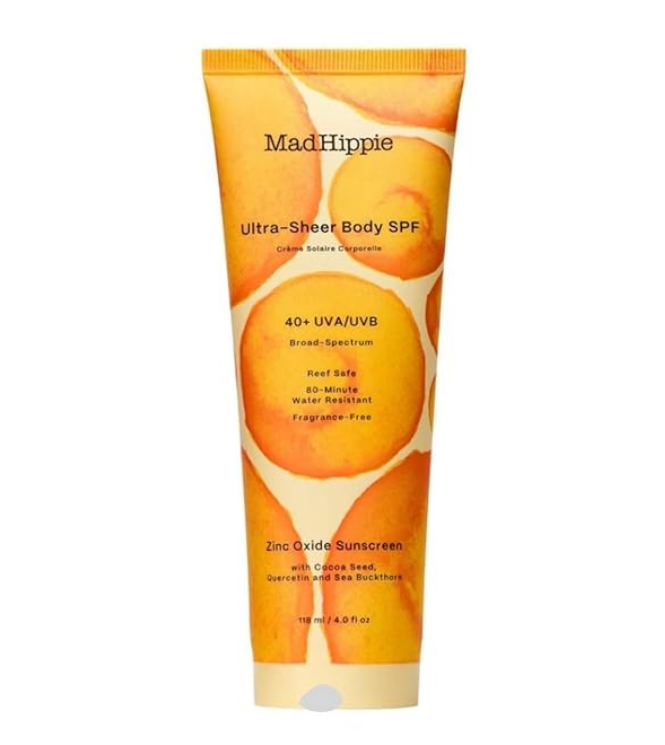
Mad Hippie Mineral Body SPF 40 (20% Zinc Oxide)
Even though this is a body sunscreen, the formula works beautifully on the face. It has a slightly different texture than the Native one. When I apply it, my skin looks better than normal. I show before and afters in the video, in case you want to see how it looks. It really decreases redness and evens out my skin-tone.
The formula is a little trickier and leaves a slight tackiness on the hands after applying, but it still sits nicely on the skin once blended. I personally apply this in small sections because it dries down pretty fast. If you have oily to normal skin, you might really like this one. Even with dry skin, it performs well if you apply it in smaller sections. This one is about $18 or $4.50 per ounce.