📌 Quick Overview
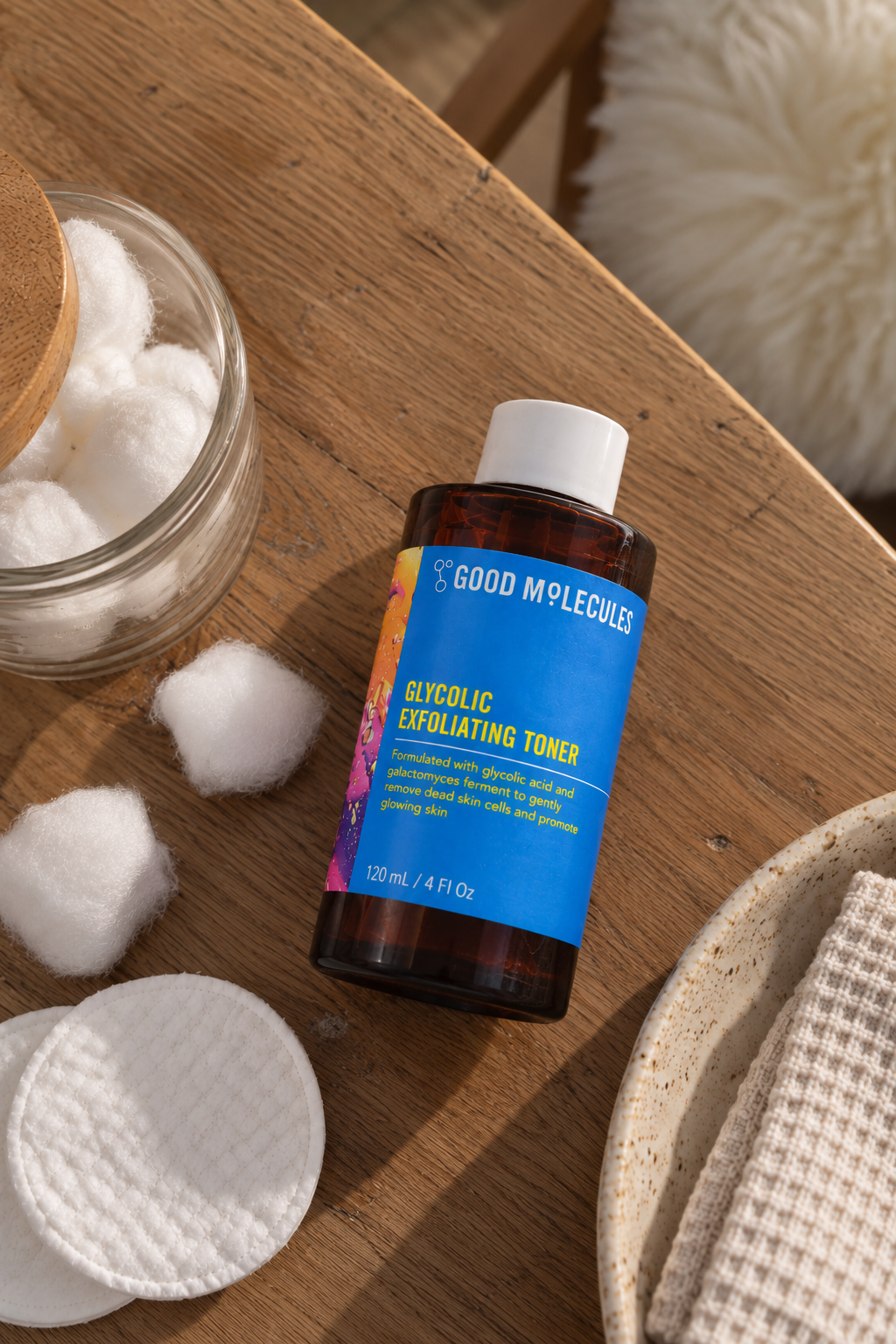
If you want smoother, brighter, more youthful-looking skin, a glycolic acid toner is one of the easiest places to start. Glycolic acid clears away the dull, dead skin cells that make your pores look bigger and your skin look tired, so your skin looks fresher, more hydrated, and glowy. The Good Molecules Glycolic Exfoliating Toner is a gentle 3.5% formula, so it’s the perfect starter option if you’ve never used glycolic acid before, and it works for dry, oily, and normal skin. It’s my all-time favorite skincare product, and this post isn’t sponsored.
Why You Need This Toner In Your Skincare Routine
If your pores look clogged or bigger than they used to, or your skin looks dull no matter what moisturizer you use, dead skin cell buildup is often part of the problem. When those cells build up, your skin looks tired and your pores look bigger. When you clear them away regularly, your skin looks smoother, brighter, and more youthful. That’s exactly what this toner does, and it does it gently enough to use regularly.
It’s one of my all-time favorite products, and I repurchase it pretty regularly. It helps keep my pores clean, especially around my nose, and it keeps my skin looking fresh and exfoliated. I really believe regular exfoliation is one of the keys to looking youthful, and I’ve found the benefits build the longer I use it.
To be clear, this post isn’t sponsored. Honestly, other glycolic acid toners can work well too, and you may get good results from them. I just keep returning to this one, instead of the others.

I’ve Been Using Glycolic Acid Since 2014
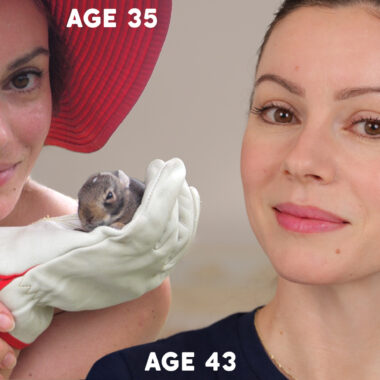
I started doing glycolic peels at home back in 2014, before at-home peels were popular, and within about six months I noticed a big difference in my skin. My lines, pores, skin tone, and texture all looked better. The photo here shows my eye area in 2014 compared to 2019.
I’ve been documenting my skincare results for over a decade, and you can see all of them in my at-home skincare treatment results post.
A toner like this is a much gentler, everyday version of that same ingredient. It won’t do what a strong peel does, but it keeps the surface of your skin clear between treatments, and for a lot of people it’s all they really need.
This post may contain affiliate links & I will earn a small commission if you purchase through them.
What Glycolic Acid Does To Your Skin
Glycolic acid is an alpha hydroxy acid, or AHA. AHAs are exfoliating acids that loosen the “glue” holding dead skin cells together on the surface of your skin.
Most of the research on glycolic acid uses much higher strengths than a toner like this. But, you have to start somewhere, and with glycolic acid, you start low and work your way up. Even though I do stronger glycolic peels, I still love using this toner. I use it daily or a few days a week, and I rotate it with Dickinson’s Witch Hazel, which is milder.
What’s In The Good Molecules Glycolic Toner
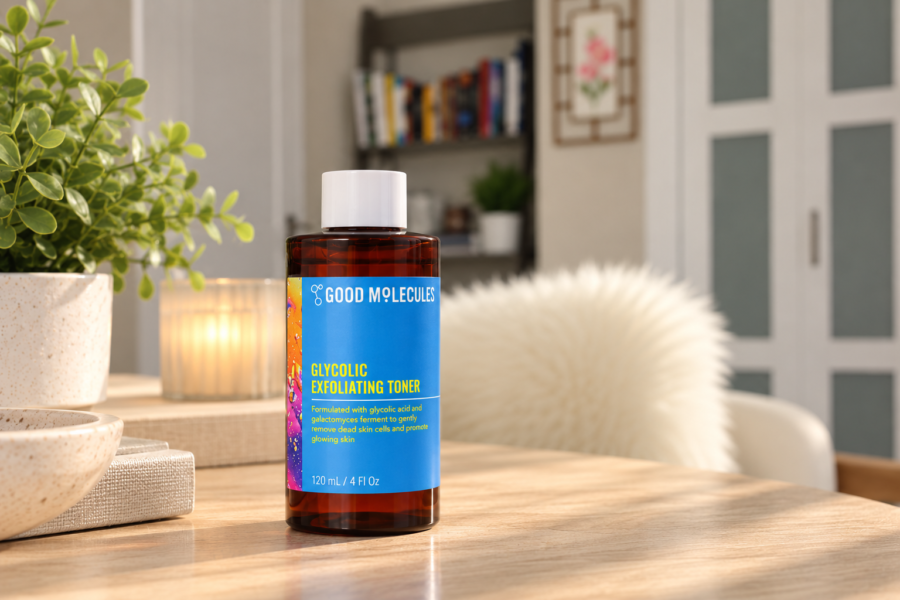
The Good Molecules Glycolic Exfoliating Toner comes in a 120 ml (about 4 oz) bottle. It’s alcohol-free and fragrance-free, which I really like in a product I use this often.
It’s also affordable compared to a lot of acid toners, and one bottle lasts quite a while. Prices change, so check the current price before you buy.
Here’s what stands out in the ingredient list:
- Glycolic acid (3.5%) to exfoliate the surface of your skin
- Salicylic acid, a small amount, to help clear out pores
- Niacinamide, a form of vitamin B3 often used for oil and redness
- Hyaluronic acid to add some hydration back
- Aloe and galactomyces ferment (a yeast ferment) to help soothe
The salicylic acid is a big reason it helps with pores. Glycolic acid dissolves in water, but salicylic acid dissolves in oil, so it can mix with the oil inside your pores and help loosen what’s clogging them (Arif, 2015). Having both in one toner means it works on the surface and inside the pores.
Who This Toner Is Good For
If you have clogged pores or blackheads around your nose, or pores that look bigger than you’d like anywhere on your face, I highly recommend checking this one out. It works for dry, oily, and normal skin, and it’s a great first acid if you’ve never used one, since 3.5% is on the gentle side.
If your skin is very sensitive, go slow. Using too many exfoliating products at once can leave your skin red and irritated.
If you want to try something a little stronger once your skin is used to glycolic acid, check out my post on the best beginner at-home chemical peels. It includes gentle options for sensitive skin too.
How To Start Using A Glycolic Toner
- Apply it after cleansing, on dry skin, with a cotton pad or your hands.
- If you’re new to acids, start with a few times a week and work up from there.
- Skip the eye area and any broken or irritated skin.
- Don’t use it right after microneedling or a peel. Let your skin heal first.
- Follow it with a moisturizer.
What It Feels Like: If you’re totally new to glycolic acid, it’s normal to feel some tingling, or even a slightly uncomfortable sensation, when you first put it on. Some people don’t feel anything at all, and others feel it more, especially if they’re using other active ingredients in their routine. If the feeling is too strong, just wash it off. Your skin usually adjusts over time, so it tends to feel milder the more you use it.
Can You Use Glycolic Acid With Retinol Or Tretinoin?
People ask me this all the time. Retinol and tretinoin also speed up how fast your skin turns over, so stacking them with an exfoliating acid can be too much, especially at first. I think 3.5% is low enough that most people can use this toner alongside a retinoid, but I’d be careful with it:
- Don’t Layer Them At First: Use them at different times instead of on top of each other, like the toner in the morning and your retinol at night, or alternating nights. Start with the toner two or three times a week and add more if your skin handles it well.
- Be Extra Careful With Tretinoin: It’s a stronger prescription retinoid, so go slower, and check with whoever prescribed it.
- Watch For Warning Signs: Stinging, redness, flaking, or a tight, shiny look means you’re overdoing it. Take a few days off both and use a simple moisturizer.
- Take Breaks Around Treatments: Skip both for a few days before and after a peel, microneedling, or waxing.
Glycolic Acid And Sun Sensitivity
Glycolic acid makes your skin more sensitive to the sun. If you use it without protecting your skin, you’re more likely to burn, and sun damage can show up as dark spots, hyperpigmentation, and uneven skin tone, which are the exact things most of us are trying to fix. In one study, 29 volunteers used a 10% glycolic acid cream for four weeks. Their skin burned more easily, and it formed more “sunburn cells,” which are skin cells damaged by UV light. It did go back to normal about a week after they stopped (Kaidbey et al., 2003). That product was stronger than this toner, but it shows why sun protection matters while you use glycolic acid, and for about a week after you stop.
So, if you use glycolic acid or other active ingredients, I think protecting your skin from the sun is worth it. Otherwise you can undo a lot of the benefit.
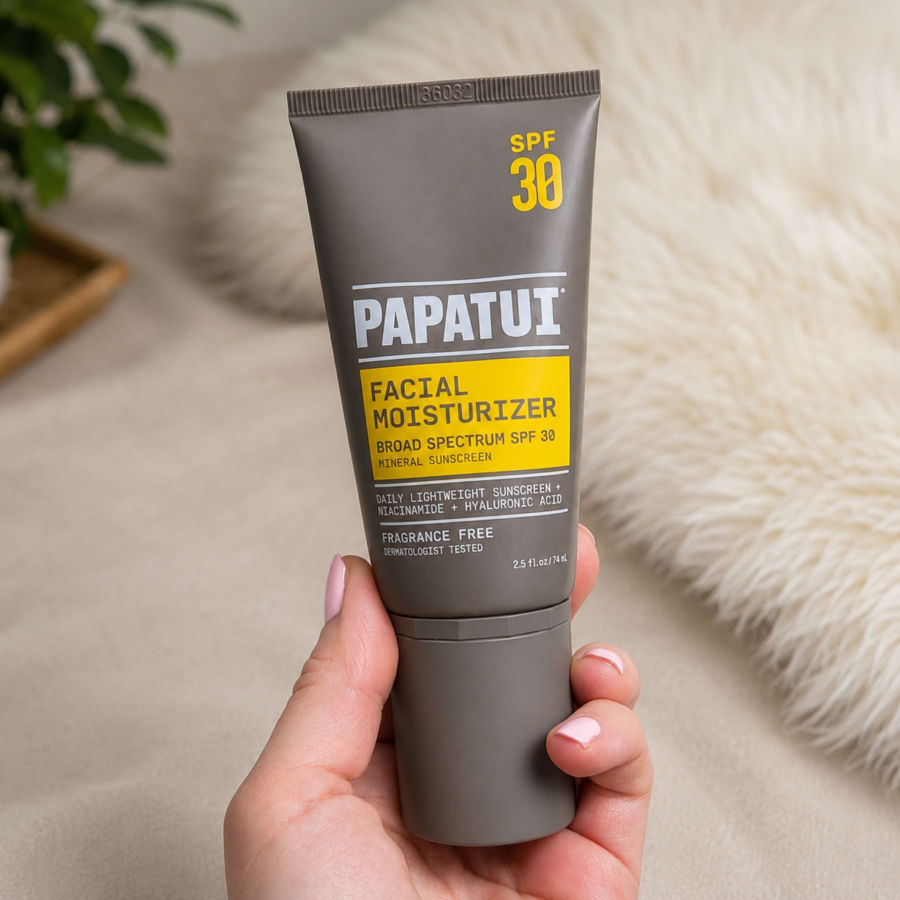
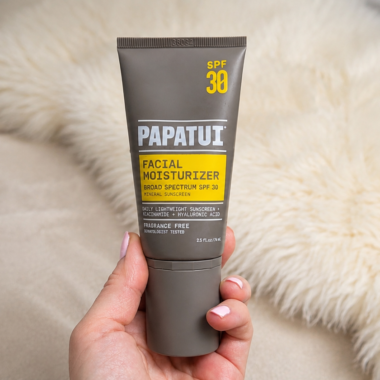
My Favorite Sunscreen: If you want my recommendation, it’s the Papatui Facial Moisturizer with SPF 30. It’s a mineral sunscreen with 17% zinc oxide and no microplastics, petroleum, or chemical UV filters, and it has ceramides and panthenol to support your skin barrier. It’s lightweight, fragrance-free, blends in without feeling greasy, and it’s affordable. You can read my full Papatui sunscreen review here.
Final Thoughts
I’ve tried a lot of skincare over the years, and this is the one product I keep coming back to. It’s simple, it’s affordable, and it keeps my pores clear and my skin looking fresh. I believe consistent, gentle exfoliation does more for your skin long term than most expensive products.
Have you tried a glycolic acid toner? What’s the one skincare product you always repurchase? Let me know in the comments.
Sources
- Good Molecules Glycolic Exfoliating Toner ingredient list. INCIDecoder.
- Arif T. Salicylic acid as a peeling agent: a comprehensive review. Clinical, Cosmetic and Investigational Dermatology. 2015. PMC.
- Kaidbey K, et al. Topical glycolic acid enhances photodamage by ultraviolet light. Photodermatology, Photoimmunology & Photomedicine. 2003. PubMed.